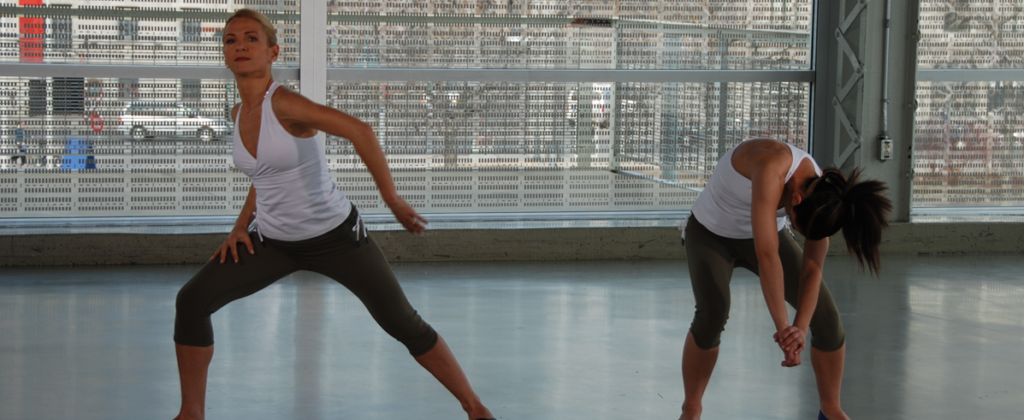

Getting Back to Exercise After the Christmas Break
The Christmas period is often marked by a welcome pause in routine—family gatherings, richer meals, later nights, and a slower rhythm. While this rest can be nourishing emotionally, it often leads to reduced physical activity. As January begins, many people feel stiffness, lower energy, or a sense of disconnection from their body. This is not a failure of discipline; it is a natural response to a change in rhythm.
Returning to exercise after the Christmas break is not about “making up for lost time.” It is about re-establishing regular movement in a way that supports the body, the nervous system, and long-term well-being.
Why It’s Important to Resume Movement Gradually
After a period of inactivity, the body needs time to adapt again. Muscles, joints, fascia, and even the cardiovascular system respond best to progressive reactivation, not abrupt demands.Regular exercise after the holidays helps to:
- Restore joint mobility and reduce stiffness
- Improve circulation and energy levels
- Support digestion and metabolic balance
- Regulate stress and mood through gentle nervous system activation
- Rebuild a sense of structure and self-connection
The key is regularity, not intensity.
Common Mistake: Doing Too Much, Too Fast
January often comes with pressure to start strong—intense workouts, strict schedules, or unrealistic goals. This approach frequently leads to soreness, fatigue, or injury, followed by discouragement and stopping altogether.
A more sustainable strategy is to:
- Start with shorter sessions
- Choose low-impact, full-body movements
- Focus on how the body feels rather than how much is done
Consistency practiced with respect for the body creates lasting results.
The Best Way to Restart an Exercise Routine
For the first few weeks after the Christmas break, movement should emphasize:
- Mobility – restoring range of motion in joints
- Gentle strength – reactivating muscles without strain
- Stretching – releasing accumulated tension
-
Breathing – supporting circulation and nervous system balance
Practices such as Essentrics, gentle yoga, and mindful movement are particularly well-suited to this transition period because they work the body globally while remaining accessible.
Exercise as a Way to Reconnect, Not Punish
Movement is not a corrective measure for holiday indulgence. It is a way to re-establish dialogue with your body. When exercise is approached with curiosity and care, it becomes energizing rather than exhausting.
Ask yourself:
- How does my body feel today?
- What kind of movement would support me right now?
-
Can I commit to showing up regularly, even for 15–20 minutes?
These questions create a healthier and more compassionate relationship with exercise.
Building a Sustainable Post-Holiday Routine
To make exercise stick after the holidays:
- Choose a realistic frequency (2–4 times per week to start)
- Prioritize quality of movement over duration
- Include rest and recovery as part of the routine
-
Anchor movement to an existing habit (morning, lunch break, early evening)
Small, repeated actions are far more effective than short bursts of intensity.
A Gentle Invitation
At Stofit, we encourage a return to movement that is progressive, respectful, and nourishing. Whether you are restarting after a short break or rebuilding consistency after a longer pause, the goal is the same: to feel more at ease, more mobile, and more connected in your body.
Exercise after the Christmas break is not a reset—it is a continuation, approached with greater awareness.
Try All Courses for a Week for Free
Essentrics, similar to Tai Chi, is an exercise activity with low to moderate impact that is appropriate for older adults. This exercise has the potential to improve strength, flexibility, functional mobility, balance, and provide relief for chronic pain.
Click Here to Start